Primary Advantages of a Full Service Oil Change at Your Neighborhood Service Center
A comprehensive oil change at a neighborhood auto shop provides significant improvements for automotive care. It confirms that worn-out oil is swapped for premium fluids, improving motor efficiency. Technicians carry out critical evaluations, uncovering potential issues early. This proactive approach can lead to better fuel efficiency and decreased service fees. Appreciating these merits is essential for all automobile owners. What other factors should a vehicle owner consider when maintaining their car's condition?
How Often Do You Need to Change Your Oil?
How frequently should vehicle owners change their oil? This query frequently comes up among automotive hobbyists and daily commuters alike. Typically, vehicle manufacturers suggest replacing engine oil every 5,000 to 7,500 miles, although some modern vehicles can stretch this interval to 10,000 miles or more under specific conditions. Elements that affect how often you need an oil change include your driving patterns, local weather conditions, and the oil variety you choose. As an example, drivers who regularly navigate heavy traffic or operate vehicles in harsh weather conditions may need to change their oil more often. Additionally, synthetic oils tend to provide better protection and can extend intervals between changes. Regularly checking the oil level and its overall quality is critical; oil that appears dark and contains grit is a clear sign that a change is overdue. Ultimately, adhering to a regular oil change schedule is essential for maintaining engine health, optimizing performance, and prolonging vehicle lifespan, making it a key aspect of responsible car ownership.
What Is Included in a Full Service Oil Change?
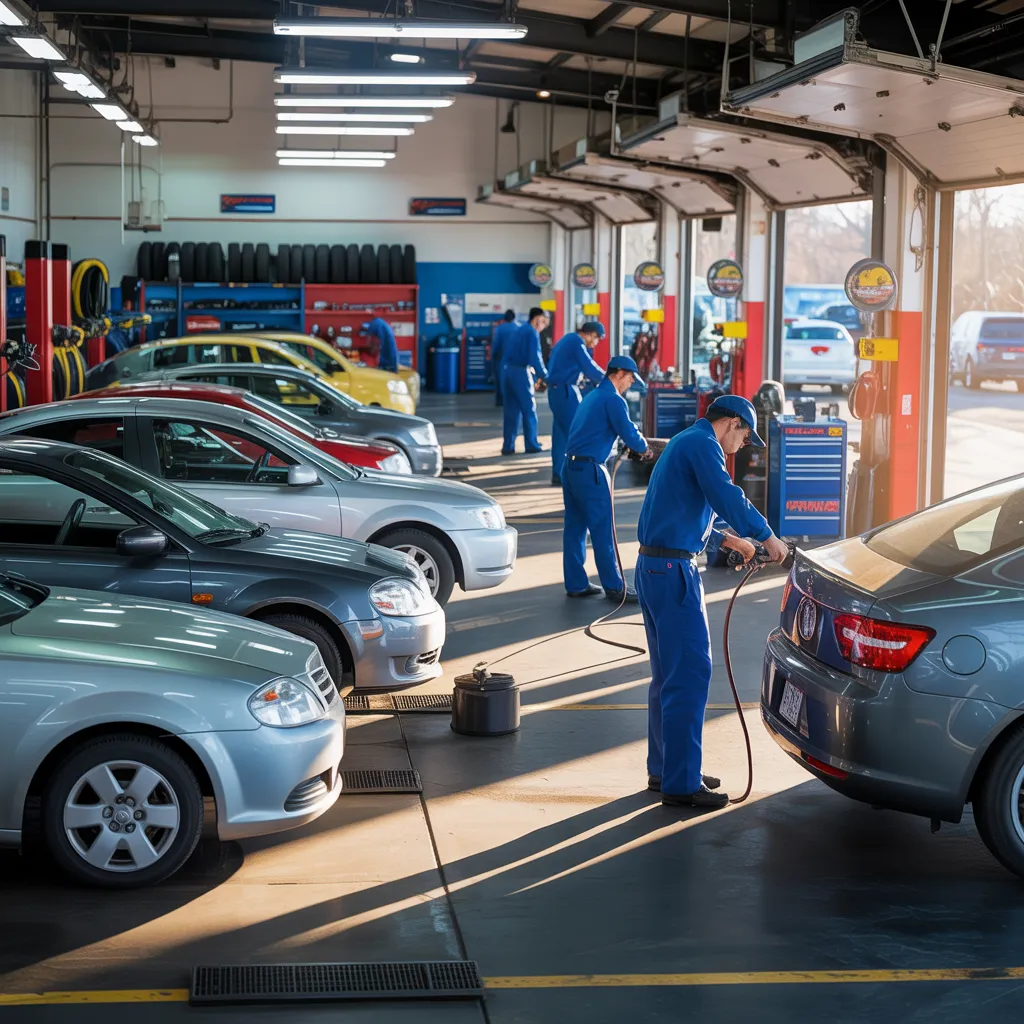
A complete full oil change usually covers multiple critical aspects intended to ensure peak engine performance. First, the procedure includes extracting the aged engine oil, which is subsequently substituted with superior, factory-specified oil. The oil filter is likewise swapped out to guarantee that impurities do not flow through the engine.
In addition to these core responsibilities, technicians frequently perform a comprehensive multi-point check, assessing fluid levels, belts, and hoses for wear and tear. They will also examine the cabin filter and air filter, changing them out as required.
A number of service centers provide supplementary services, such as tyre rotation, brake examination, and even a wash or clean of the automobile's interior, improving the overall upkeep of the vehicle. This comprehensive strategy not only maintains the health of the engine but also supports the long-term performance of other key systems within the vehicle.
How a Complete Oil Change Service Enhances Fuel Efficiency
A comprehensive oil change considerably improves fuel efficiency by ensuring optimal oil viscosity, which allows for better engine operation. In addition, consistent servicing helps maintain engine cleanliness, reducing the development of damaging deposits. Additionally, reduced friction levels between engine components result in better overall performance and fuel economy.
Ideal Oil Viscosity
Ideal oil viscosity plays a crucial role in maximizing fuel efficiency. When a vehicle's engine runs on the right oil viscosity, it provides superior lubrication and decreases friction among moving parts. This effectiveness lowers the energy needed to overcome resistance, allowing the engine to function efficiently and reliably. A full service oil change not only replaces old oil with the suitable viscosity grade but also assists in detecting any potential issues influencing performance. By maintaining the recommended oil viscosity, drivers can enjoy better fuel economy, as the engine is not required to work as hard. Consequently, a regular comprehensive oil change can play a major role in long-term savings at the pump, benefiting both the wallet and the environment.
Engine Cleaning Upkeep
Regular oil changes greatly enhance engine cleanliness, which is crucial for maintaining peak fuel efficiency. Over time, engine oil collects contaminants, including dirt, debris, and combustion byproducts. These impurities can form sludge that restricts oil flow and compromises the engine's performance. By opting for a full service oil change, vehicle owners ensure that old, contaminated oil is substituted with fresh, high-quality oil, promoting a cleaner engine environment. A clean engine functions more efficiently, allowing fuel to burn more completely. This optimized combustion process not only amplifies energy output but also leads to better mileage. Consequently, regular maintenance promotes engine longevity, reduces the likelihood of costly repairs, and guarantees a smoother driving experience overall.
Lowered Friction Levels
One significant benefit of a full service oil change is the reduction of friction levels within the engine. New, premium-grade oil properly lubricates engine components, minimizing wear and tear. This lubrication enables parts to operate smoothly together, lowering resistance and boosting performance. When friction is reduced, the engine operates more efficiently, which directly affects fuel efficiency. Research suggests that engines with ideal lubrication can achieve better fuel economy, resulting in savings for vehicle owners. Consistent oil changes sustain these low friction levels, guaranteeing the engine performs at maximum efficiency. As a result, investing in a full service oil change not only prolongs engine life but also supports better fuel efficiency, making it an smart investment for vehicle owners.
The Importance of Professional Oil Changes
Professional oil changes play an essential role in maintaining a vehicle's performance and longevity. When performed by trained technicians, these services guarantee that the right type and volume of oil is utilized, adapted to the individual specifications of each vehicle. This precision helps optimize engine function and enhances fuel efficiency.
Moreover, professional oil changes frequently come with additional services, such as examining filters and fluid levels, which can identify potential issues before they worsen. This forward-thinking method helps avoid major repairs down the line. Furthermore, a maintenance record from a trusted service center can be beneficial for the vehicle's resale value, as it shows a consistent focus on proper vehicle upkeep.
How Routine Oil Changes Can Extend the Life of Your Vehicle
Routine oil changes are vital for improving engine performance and maintaining optimal fuel efficiency. By reducing wear and tear on engine components, these routine services contribute considerably to the longevity of a vehicle. This preventive upkeep not only safeguards the engine but also enhances the overall driving experience.
Superior Engine Performance
Achieving peak engine performance depends on regular oil change intervals, which serve a vital function in increasing the longevity of your car. Regular oil changes guarantee that the engine runs smoothly by stopping the accumulation of damaging deposits and sludge. Fresh oil lubricates moving parts efficiently, reducing friction and wear. Such lubrication is essential for optimal engine performance, allowing for smoother operation under various driving conditions. Moreover, prompt oil changes contribute to sustaining appropriate engine temperatures, avoiding overheating and the risk of engine damage. By prioritizing consistent oil changes, drivers can boost overall engine performance, resulting in a more dependable and enjoyable driving experience. Ultimately, this practice not only extends the vehicle's life but also contributes to overall driving satisfaction.
Enhanced Fuel Economy
Regular oil changes do more than improve engine performance as they also significantly affect fuel efficiency. Regular oil changes guarantee that the engine is lubricated with clean, high-quality oil, which reduces friction among moving parts. This optimal lubrication enables the engine to run more efficiently, demanding less energy to sustain its performance. As a result, vehicles experience improved fuel economy, allowing drivers to travel further on each gallon of fuel. Moreover, clean oil works to stabilize the engine's temperature, protecting against overheating and promoting efficient combustion. Through consistent oil changes, vehicle owners are able to eliminate unnecessary engine strain and support more cost-effective driving habits. Over time, this habit results in a prolonged vehicle lifespan and decreased fuel expenditures.
Minimized Wear And Tear
Consistent oil changes substantially decrease deterioration on a vehicle's engine. Clean oil sustains maximum lubrication, shielding engine components from friction and heat buildup. Over time, aging oil may become polluted with contaminants and debris, leading to increased friction and potential damage. Routine oil changes ensure that the engine runs efficiently, minimizing the risk of costly repairs down the line. Additionally, a thoroughly lubricated engine undergoes less strain, which can significantly prolong its lifespan. Regular maintenance, including oil changes, also enables technicians to detect potential issues early, continuously preserving the vehicle. Ultimately, committing to oil changes is a practical method to preserving a vehicle's health, improving its dependability and longevity for years to come.
How Oil Changes Save You Money
Consistent oil changes can considerably decrease long-term vehicle maintenance costs. By keeping the engine operating efficiently with fresh oil, vehicle owners can protect against major concerns like sludge buildup and overheating. These problems can lead to costly repairs or even engine replacement, which greatly surpass the minimal cost of regular oil changes.
Moreover, maintaining ideal engine performance through routine oil changes can enhance fuel efficiency. A well-lubricated engine functions more efficiently, resulting in savings at the gas pump over time. Moreover, several manufacturers require records discussion of consistent oil changes to preserve warranty coverage, defending owners against unexpected repair expenses.
Investing in a complete oil change not only enhances vehicle longevity but also decreases the risk of unforeseen mechanical failures. Consequently, consistent oil change services function as a preventive solution, reducing costs in the long run and promoting a trustworthy driving experience.
Knowing When to Book Your Next Complete Oil Change Service
How often should vehicle owners plan their next comprehensive oil change appointment? Generally, it is recommended every 3,000 to 7,500 miles, influenced by the vehicle's make, model, and the variety of oil being used. Monitoring the vehicle's oil level and quality is essential; when the oil looks murky or contains debris, an earlier oil change may be necessary. Furthermore, car owners should pay attention to how their vehicle is performing. Unusual noises, decreased fuel efficiency, or warning lights on the dashboard might suggest that an oil change is due. Shifting seasons may also affect the recommended oil change schedule; to illustrate, extreme cold weather during winter months can demand more frequent oil change intervals. In closing, reviewing the owner's manual delivers personalized guidance suited to the vehicle, promoting top performance and durability. Consistently booking oil changes serves as a preventive step to preserve engine condition and prevent expensive repairs in the future.
Answers to Your Most Common Questions
Can Additional Services Be Performed During a Full Service Oil Change?
Yes, many service centers feature additional services during a full service oil change. These often include tire rotation and balancing, fluid system checks, and air filter replacements, offering a convenient opportunity for thorough vehicle upkeep in a single stop.
What Kind of Oil Is Used in a Full Service Oil Change?
Typically, a full service oil change incorporates either standard, semi-synthetic, or fully synthetic oil. The choice is based on the vehicle's requirements and the customer's preferences, ensuring superior performance and engine care during operation.
What Is the Duration of a Full Service Oil Change?
A complete oil change generally needs between half an hour to an hour, based on the shop's speed and supplementary services included. Variables including car model and oil preference can additionally impact the length of the service.
Do I Need an Appointment for a Full Service Oil Change?
An appointment for a full service oil change is typically recommended, ensuring the service center can accommodate the vehicle promptly. That said, many service centers also accommodate walk-in visits, offering convenience for those who require immediate assistance.
Do Full Service Oil Changes Cost More Than Standard Oil Changes?
Comprehensive oil changes are generally more expensive than standard oil changes owing to the supplementary services they encompass, like filter replacements and fluid inspections. This higher price reflects the comprehensive attention given to vehicle maintenance.